Over 26,000 Healthcare Workers Trained on MMS: A Milestone for Maternal Nutrition in Nigeria.
6 November 2026
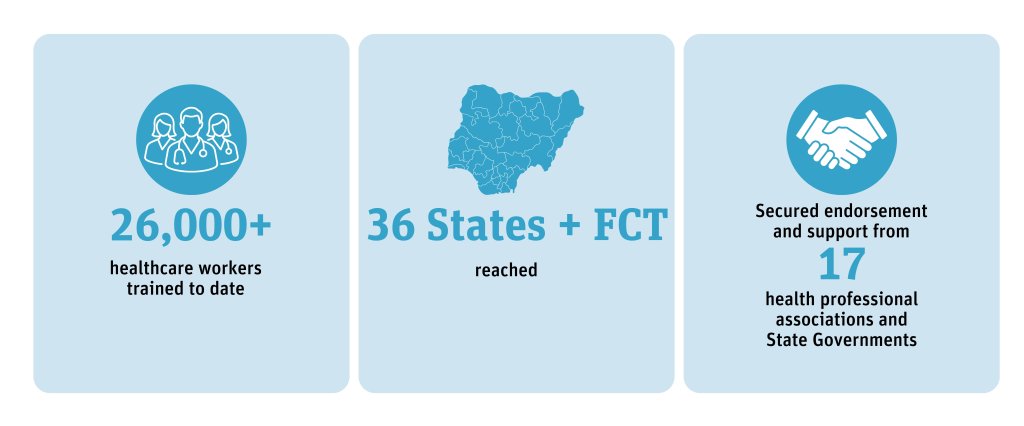
Since May 2025, more than 26,000 healthcare workers across Nigeria’s 36 states and the Federal Capital Territory (FCT) have been trained and sensitised on Multiple Micronutrient Supplementation (MMS) and calcium supplementation during pregnancy through Sight and Life’s partnership with the Nigerian Medical Association (NMA), supported by the Children’s Investment Fund Foundation (CIFF).
Maternal Nutrition and MMS Transition in Nigeria
Maternal malnutrition and micronutrient deficiencies remain a major public-health challenge in Nigeria. The 2024 Nigeria Demographic and Health Survey found that 50% of pregnant women were anaemic, while the latest national micronutrient data show that about 26% of pregnant women had adjusted iron deficiency and 22% had vitamin A deficiency. These findings highlight persistent nutritional gaps during pregnancy and the need to strengthen maternal nutrition within routine antenatal care.
The inclusion of MMS in Nigeria’s Essential Medicines List has strengthened the country’s transition from iron and folic acid (IFA) supplementation towards MMS, which provides 15 essential vitamins and minerals. This shift, reinforced by a National Roadmap for the Rollout and Scale-up of MMS, reflects growing policy commitment to strengthening maternal nutrition, and improving pregnancy and birth outcomes.
Translating this policy shift into routine practice, however, requires more than making MMS available. IFA has long been a familiar part of antenatal care, both for the healthcare professionals who recommend it and the women who receive it. Moving to MMS therefore requires a change in established practice, alongside greater understanding and confidence in why a different supplement is now being recommended.
Healthcare professionals will be central to making that transition. As trusted sources of information and frontline providers of antenatal care, doctors, nurses, midwives and community health workers can help pregnant women understand MMS, address their questions and concerns, and build confidence in its use. Equipping healthcare workers with the knowledge and practical skills to counsel women effectively is therefore critical to turning Nigeria’s policy commitment into consistent practice across the health system.
“Nigeria has made important policy commitments to strengthen maternal nutrition, and the priority now is translating those commitments into consistent practice across the health system. We are excited to see this partnership contributing to that effort by strengthening healthcare worker capacity, building stakeholder alignment and supporting the integration of MMS into routine antenatal care. Partnerships like this are essential to ensuring that more pregnant women can access the nutrition support they need for healthier pregnancies and better outcomes.” - Olufunmilola Adegbite Bolape, Director of Nutrition, FMoHSW.
Building Capacity for MMS Scale-Up
Sight and Life, in partnership with the Nigerian Medical Association (NMA), is strengthening the capacity of healthcare workers to support the adoption and integration of MMS and calcium supplementation into antenatal care across Nigeria.
Since May 2025, over 26,000 healthcare workers across all 36 states and the FCT have been trained and sensitised through a combination of in-person and virtual engagements. This partnership is strengthening the frontline capacity needed to turn Nigeria’s maternal nutrition commitments into consistent, high-quality antenatal care by equipping doctors, nurses, midwives and community health workers nationwide with the knowledge and confidence to deliver MMS and calcium effectively.
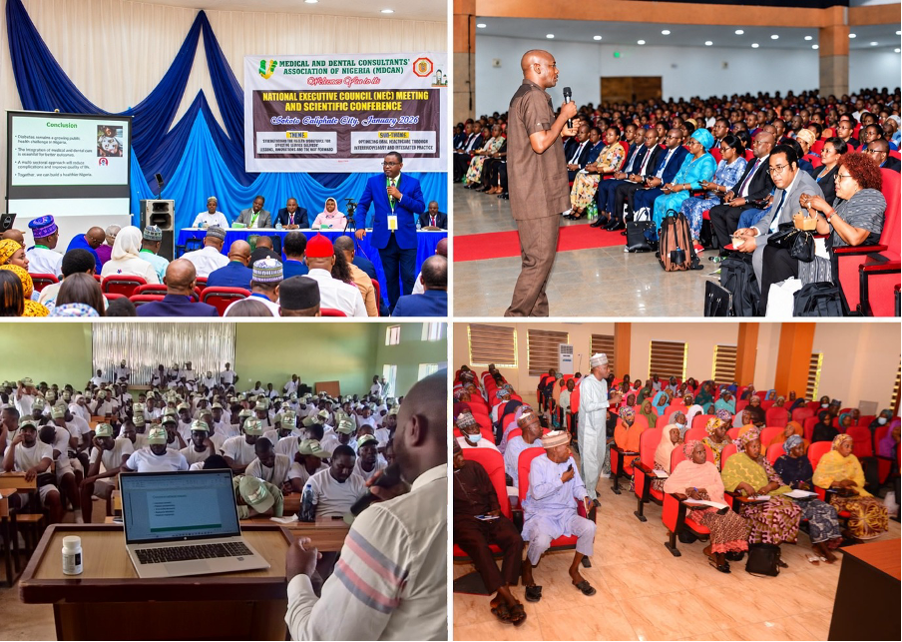
Healthcare workers participate in MMS and calcium supplementation training sessions as part of efforts to strengthen maternal nutrition knowledge and counselling at the point of care in Nigeria.
This milestone reflects a shared commitment to strengthening maternal nutrition, improving the quality of antenatal care and advancing MMS scale-up across Nigeria, bringing the country closer to healthier pregnancies and better outcomes for women and children.
“Our partnership with the Nigerian Medical Association has been instrumental in driving large-scale awareness of MMS across diverse healthcare professional bodies. As the country’s premier medical association, NMA not only champions quality healthcare nationwide but also leverages its professional networks to open access to wider healthcare systems, ensuring that MMS and calcium supplementation reach more women during pregnancy.” - Zainab Abubakar – Country Program Manager, Nigeria, at Sight and Life.
Training Approach, Advocacy and Stakeholder Engagement
NMA adopted a combination of training, professional engagement and advocacy to strengthen healthcare worker knowledge while building broader support for MMS and calcium supplementation. Training was delivered through multiple channels, including training of trainers (ToT) sessions, training of members and participants during annual meetings and professional conferences through blended in-person and virtual learning formats.
Alongside training, targeted advocacy visits were conducted with government stakeholders including Primary Healthcare Agencies and Boards of Drug and Medical Consumables, as well as professional associations such as The Society of Gynaecology and Obstetrics of Nigeria (SOGON), The Medical and Dental Consultants Association of Nigeria (MDCAN), The Association of Community Health Practitioners of Nigeria (ACHPN), The Medical Women’s Association of Nigeria (MWAN), The Nutrition Society of Nigeria (NSN) and The National Association of Nigeria Nurses and Midwives (NANNM). These efforts helped secure endorsements from both government and non-government actors, strengthening wider acceptance of MMS and calcium supplementation and ensuring alignment with global best practices.
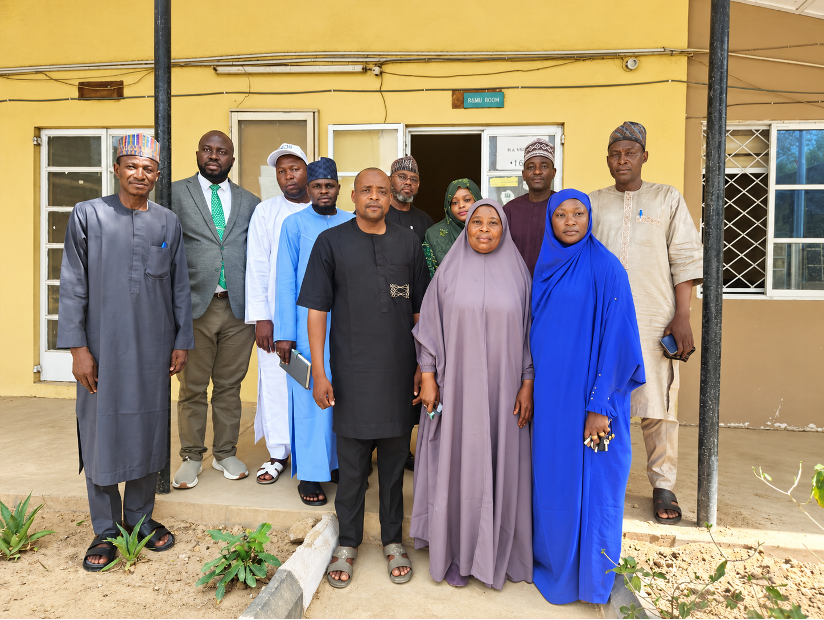
Sight and Life and the Nigerian Medical Association (NMA) during an advocacy visit to the Kano State leadership of the Association of Community Health Practitioners of Nigeria (ACHPN), Kano State, 30 April 2026.
The training also extended to health professional graduates serving as NYSC corps members in orientation camps, equipping them with knowledge on maternal nutrition and supporting their role as advocates and peer educators within their communities.
NMA is helping to build the institutional and frontline support needed for wider MMS adoption and scale-up in Nigeria by combining healthcare worker training with sustained engagement across government and professional networks.
“Reaching over 26,000 healthcare workers is an important milestone, but what matters most is what this knowledge enables them to do. Our members are often the first and most trusted point of contact for pregnant women, and strengthening their ability to counsel, recommend and confidently deliver MMS and calcium supplementation is critical to making better maternal nutrition part of everyday antenatal care in Nigeria.” Prof. Babagana Bako, NMA
Building a Strong Foundation in year One
The first year of training and sensitisation has significantly advanced stakeholder buy-in, broadened awareness of MMS, and strengthened healthcare worker capacity nationwide. Engagement from the public sector institutions, where majority of pregnant women access antenatal care services, has been particularly strong, contributing to growing momentum around the integration of MMS into standard antenatal care.
Beyond training, healthcare workers are also advocating for dedicated budgets to support MMS procurement within their states and communities, highlighting the importance of sustainable financing alongside increased awareness and capacity.
“Investing in maternal nutrition is an investment in the health and future of both women and their children. We are encouraged by an approach that goes beyond increasing access to MMS to also strengthen the healthcare workforce and build the institutional support needed for sustainable adoption. The progress made through this partnership demonstrates what is possible when investment in proven nutrition interventions is matched with strong local leadership, capacity building and engagement across the health system.” - Sarah Gibson – Senior Manager, Nutrition, CIFF
Key Learnings from the Trainings and Advocacy Visits
The first year has highlighted several practical considerations that will shape successful MMS integration. Healthcare practitioners and pregnant women are actively engaging with the realities of MMS adoption. Questions around pill burden, iron adequacy, calcium–iron interactions, and the transition from IFA highlight the healthcare workers’ focus on the practicalities of delivering MMS as part of routine antenatal care. State actors are exploring ways to strengthen political buy-in for MMS adoption, while professional bodies are working to align curricula and cascade trainings in line with recognised maternal nutrition guidance and standards.
Pregnant women raised concerns around adherence, taste, side effects and cultural acceptability, highlighting that successful uptake will depend not only on the availability of MMS, but also on effective counselling and women’s trust in the supplements and the healthcare professionals recommending them. This level of engagement demonstrates that Nigeria’s health system actors are moving beyond awareness into the complexities of integration and sustainability.
The Journey Ahead: From Knowledge to Integration
With about seven million pregnancies each year, strengthening maternal nutrition remains an important priority for Nigeria. As the project enters its second year, the focus will increasingly shift from building awareness and knowledge to supporting the practical integration of MMS and calcium supplementation into routine antenatal care.
Building on the training, advocacy and stakeholder engagement of the first year, NMA will continue to expand healthcare worker training, consolidate stakeholder endorsements and strengthen engagement with government and professional bodies. Attention will also be given to addressing practical implementation gaps and strengthening healthcare workers’ confidence to counsel pregnant women and deliver appropriate supplementation.
Together, these efforts aim to support more consistent maternal nutrition services and strengthen the integration of MMS into routine antenatal care, contributing to healthier pregnancies and better outcomes for women and their babies across Nigeria.