Egg Hub – Bringing Lives and Livelihoods Together
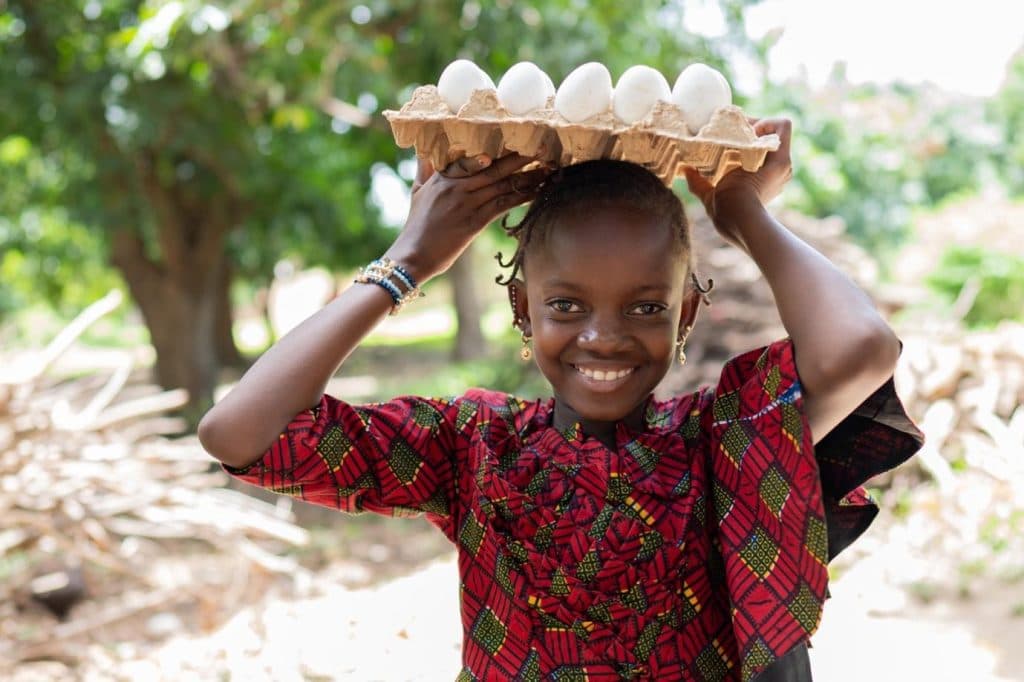
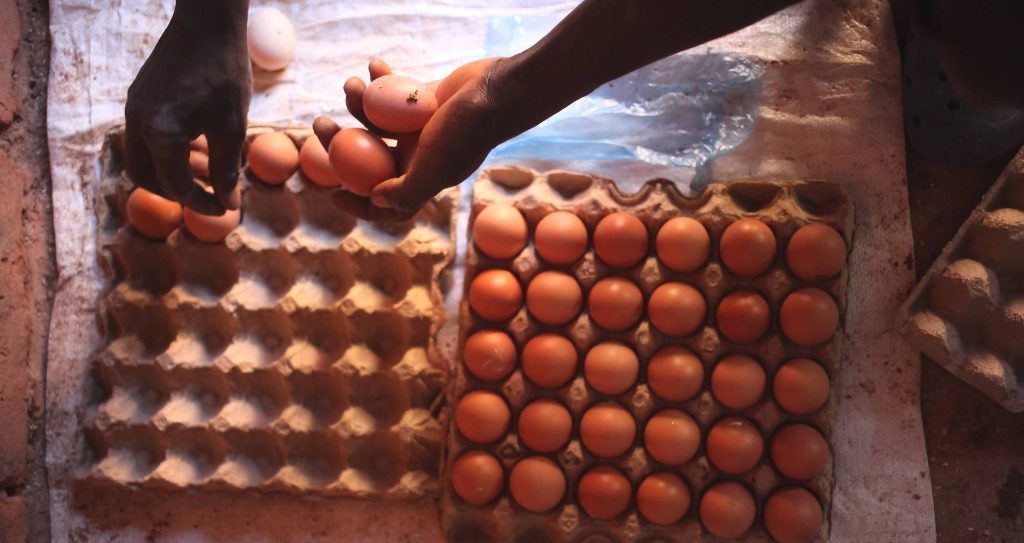
In rural Malawi, where 86% of the population depends on smallholder farming and child stunting rates reach 37%, families face a daily struggle to secure nutritious, affordable food. Eggs, one of the most complete and accessible sources of protein, amino acids, lipids, and choline, should be a natural solution. Yet nationally, per capita consumption is only 27 eggs a year, compared to the global average of 180. The scarcity and high cost of eggs result from fragmented backyard production, high bird mortality, lack of quality feed, and cultural taboos that limit consumption among women and children. Against this backdrop, Sight and Life, in partnership with local entrepreneur Andrew Stewart, introduced the Egg Hub, an innovative poultry value chain model that enables rural farmers, especially women, to become commercial producers while making eggs affordable and available within their communities.
The Egg Hub approach reimagines the poultry system from the ground up. The model organizes smallholder farmers into groups, equips them with high-performing point-of-lay birds, provides access to quality feed and vaccines, and delivers hands-on technical training and extension services. By aggregating farmers and ensuring reliable logistics, the Hub guarantees stable markets: farmers sell most eggs within their villages at affordable prices, while trucks transporting feed collect any surplus to sell in urban centers. The result is a professionalized, efficient micro-enterprise ecosystem where farmers earn steady monthly income rather than volatile seasonal earnings. For women, especially, the model unlocks economic agency – income generated at home allows mothers to keep children in school, make household nutrition decisions, and participate confidently in local economies.
Since its launch in 2018 in Malawi, the Egg Hub has demonstrated transformational impact. Egg consumption in participating communities rose from 2 to 9 eggs per capita per month among women and children. Egg prices fell from $0.14 to $0.10, increasing affordability, while availability tripled – more than 10 million eggs per year now reach rural families in the expanded Malawi network. Farmers have seen their incomes increase by threefold, and over 120,000 community members have benefited nutritionally. Stories like that of Fanny Mtoso, a farmer who scaled from 20 backyard chickens to a thriving enterprise – and went on to win a $100,000 grant from AGCOM (Malawi’s food systems resilient project) – illustrate how the Egg Hub doesn’t just supply inputs; it cultivates confidence, skills, and long-term independence. These results have earned the model global recognition, including mention in the SOFI Report 2023, and replication in Peru, Brazil, and Ethiopia.
Building on this proven success, the Egg Hub is now poised for national scale-up in Malawi. By 2026, the Malawi program will expand from 12 to 63 farms, supporting 315 farmers and producing 18 million eggs annually. With catalytic investment, the model will extend into Southern and Northern Malawi, establish a training and brooding center, create rural youth employment, and distribute over 24,000 laying birds annually. Ultimately, the ambition is to reach 50% of Malawi’s rural population – nearly 9 million people – with affordable eggs, while tripling farmer incomes and transitioning families toward professional, resilient agribusiness.
The Egg Hub offers LMICs like Malawi and Ethiopia not just more eggs, but a pathway to break the intergenerational cycle of malnutrition and poverty by tying together livelihoods, nutrition, and community empowerment.
Help Egg Hub farmers in Ethiopia power up their poultry farms with affordable and environmentally friendly solar lights: https://sightandlife.org/donate-now
Projects in Stage 1: Converting scientific knowledge into evidence-based solutions



Projects in Stage 2: Transforming solutions into sustainable business models
Projects in Stage 3: Scaling business models to end public health challenges
Discover more
Why tackle malnutrition
Understand how malnutrition affects our collective future

Global footprint
Discover our key projects across the world
Our impact
Learn about the impact we have made on the ground so far
What we do
Discover the principles and work that shape our impact