NICE: Scaling Urban Nutrition Solutions for Healthier Cities
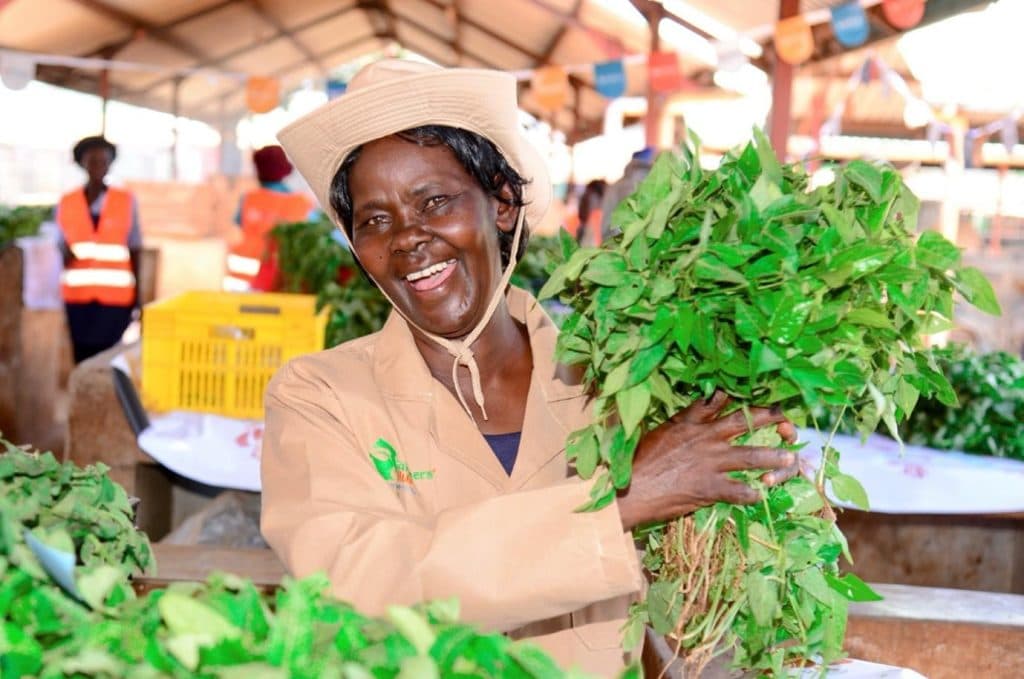
In Phase 1, the NICE project laid the groundwork for improving nutrition in urban and peri-urban populations across Bangladesh, Kenya, and Rwanda. With an emphasis on agroecological practices and community-driven governance, the project has demonstrated significant strides in both demand generation and supply-side solutions.
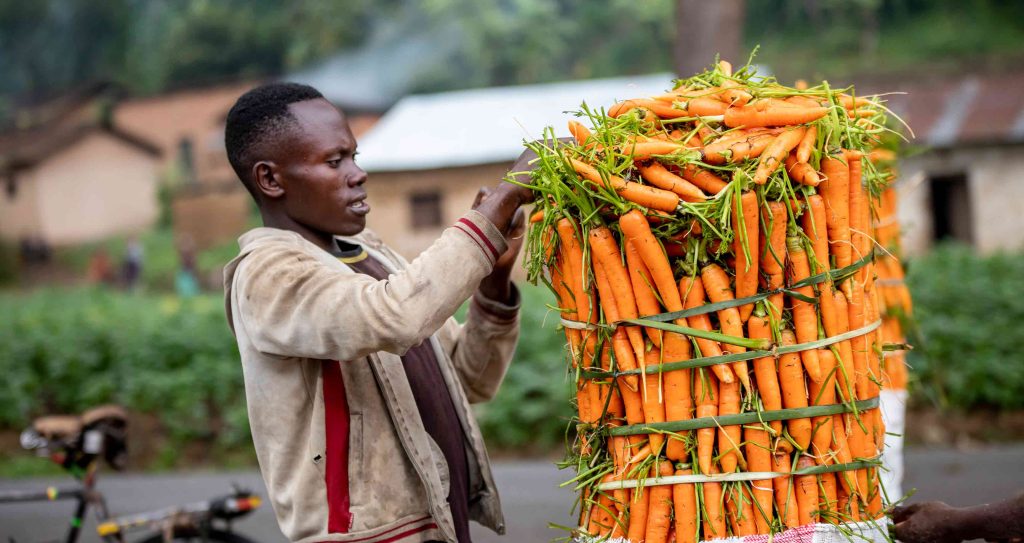
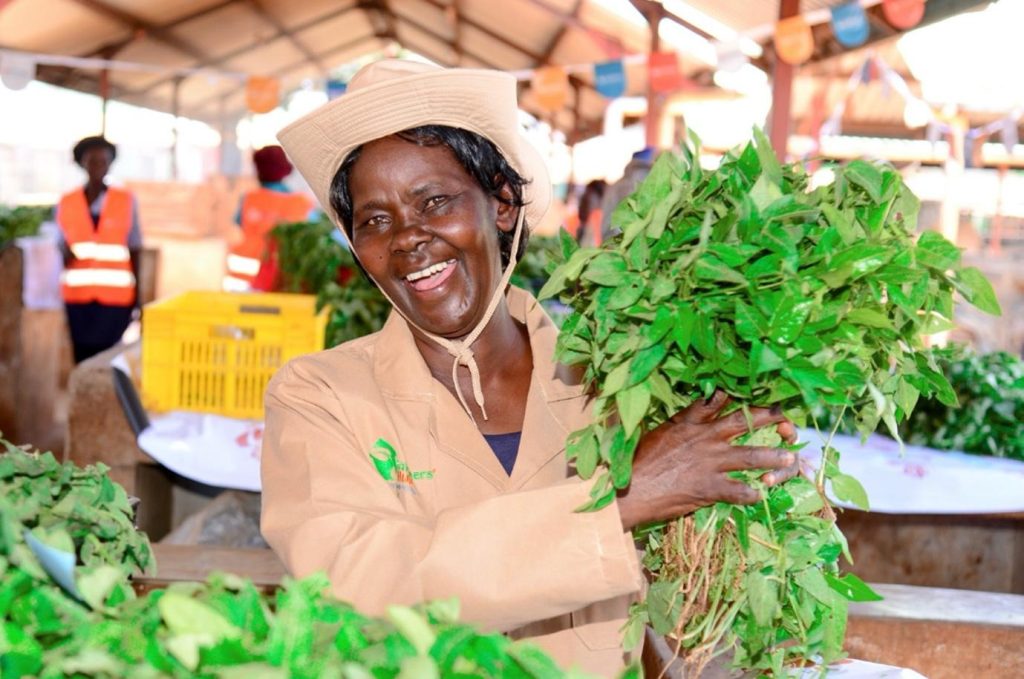
In Bangladesh, Kenya, and Rwanda, vulnerable communities are increasingly empowered to demand healthier, more nutritious food. As part of this shift, local vendors, farmers, and entrepreneurs are stepping up as nutrition champions. In Rwanda, the introduction of farmers’ markets has been instrumental in connecting producers directly with consumers, ensuring access to affordable, locally grown food. This approach is boosting local economies and building trust in agroecologically produced food.
Key Achievements and Impact
Nutritional Knowledge & Behavior Change
- 2,000+ participants reached through cooking demonstrations and Smart Food Tips sessions in Bangladesh, Kenya, and Rwanda.
- Farmers’ knowledge of balanced diets increased from 14.4% to 25.3% across Bangladesh, Kenya, and Rwanda, significantly improving dietary diversity (HDDS) in all participating cities.
- 30% increase in households consuming a balanced diet as tracked by the Minimum Diet Diversity for Women (MDD-W) score in Kenya.
Agroecological Practices
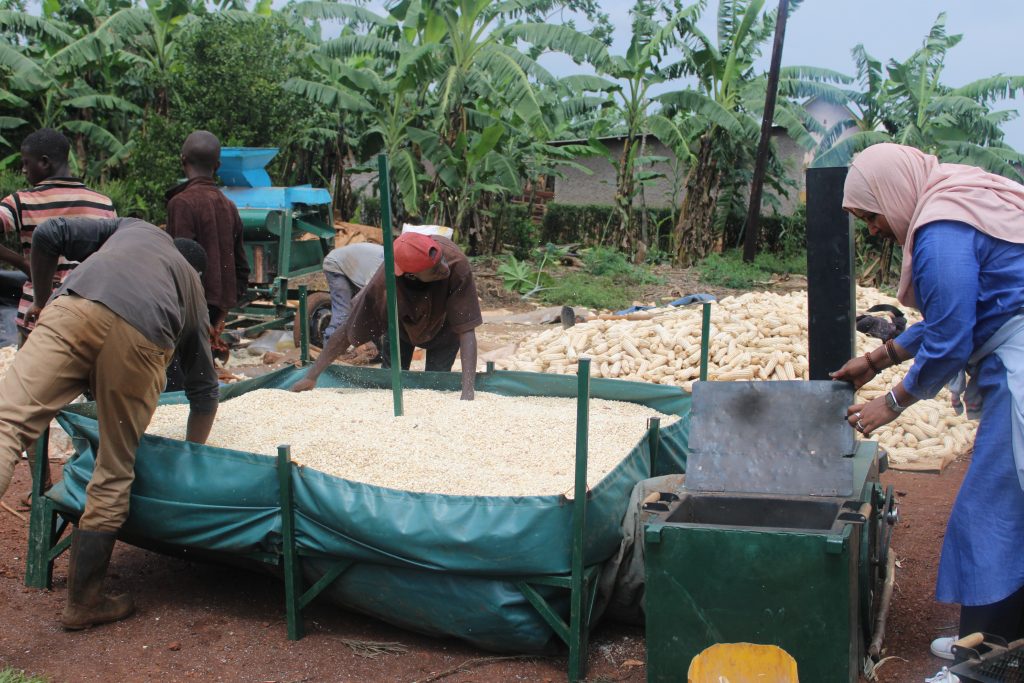
- 9,000 farmers in Bangladesh, Kenya, and Rwanda trained on agroecological practices, with local seedling production introduced in Kenya to increase sustainable farming.
- The establishment of 100 farmers’ hubs in Bangladesh has successfully supported 5,000 farmers, with 35% of them being youth and 25% women. These hubs not only distribute essential inputs but also serve as community learning centers for agroecological practices.
Youth and Women Empowerment
- Over 300 smallholder women and youth-led businesses received grants in Kenya, Bangladesh, and Rwanda, empowering them to scale production and improve market access.
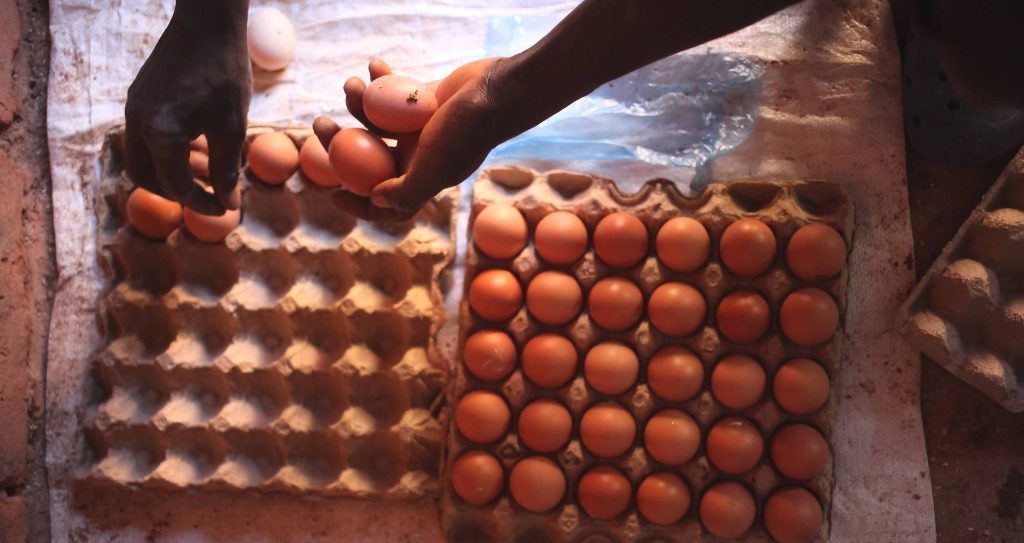
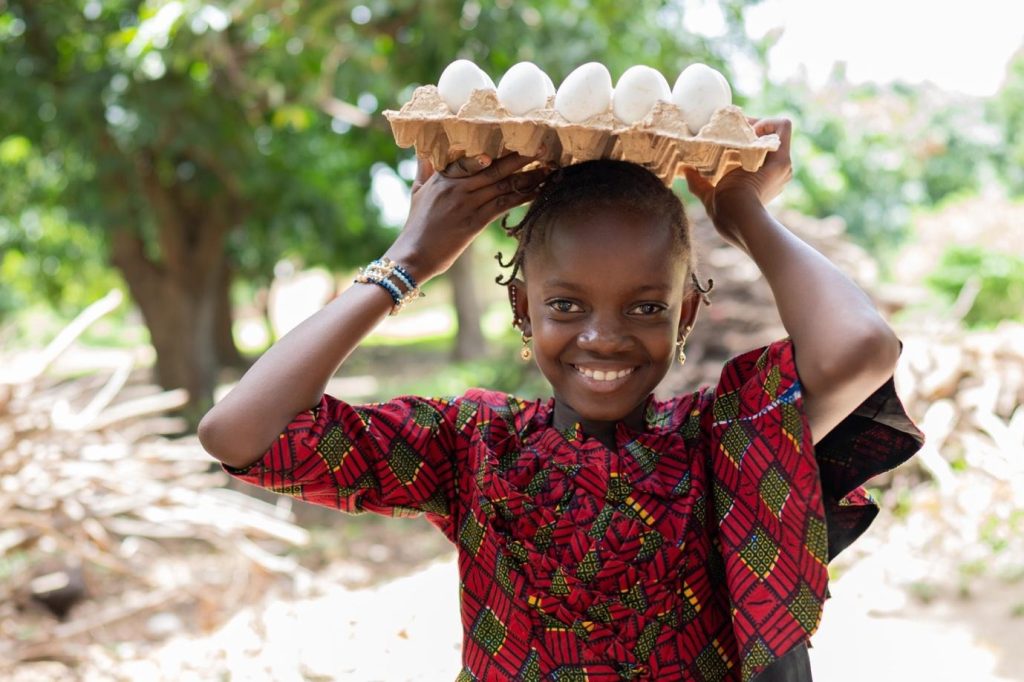
- In Rwanda, the establishment of women’s and youth groups has seen more than 120% growth in youth-led agro-enterprises, with a focus on egg production and vegetable farming.
Community-Driven Demand Creation
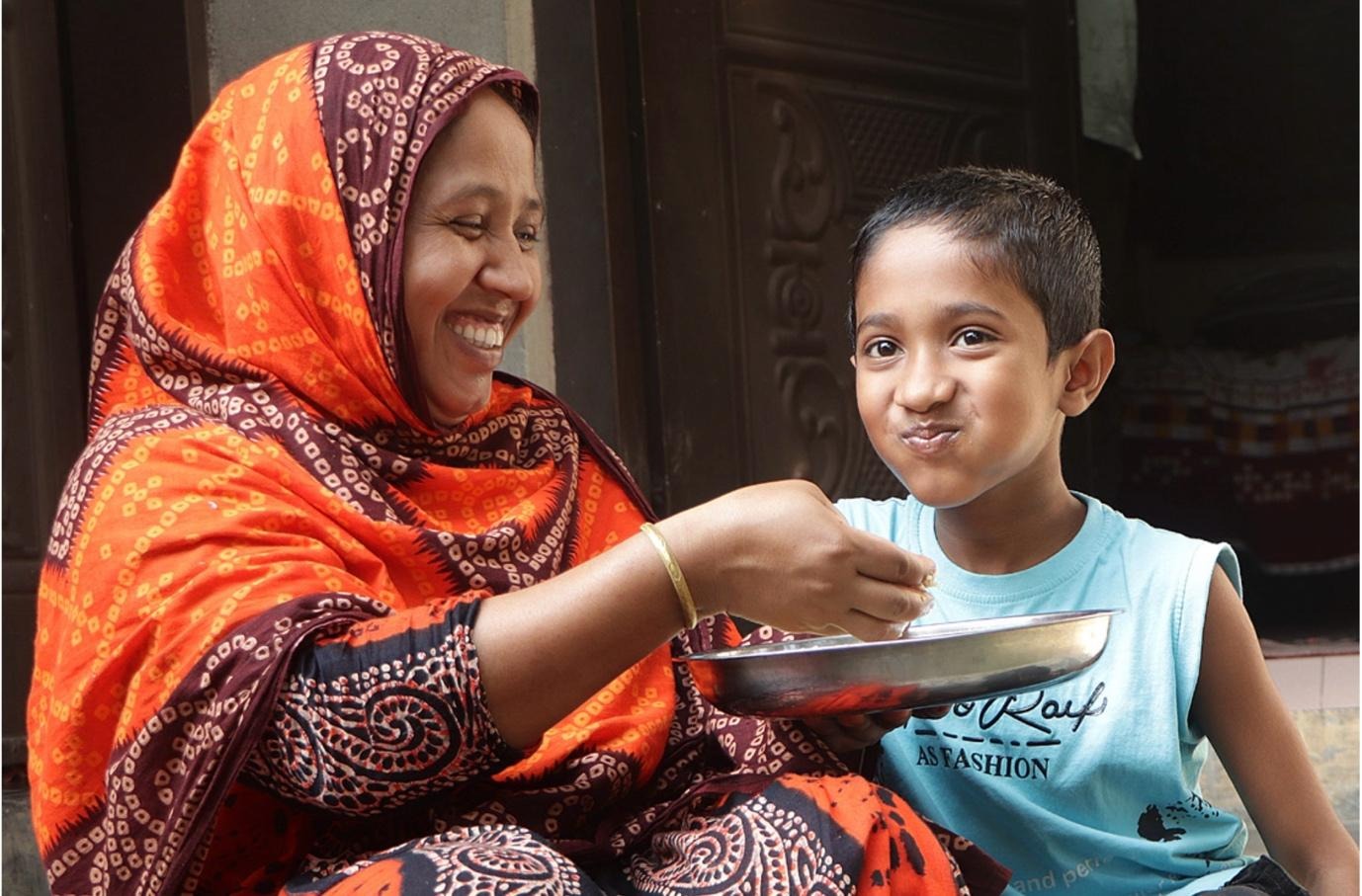
Rwanda has seen a 300% increase in demand for nutritious, locally produced foods, thanks to community engagement initiatives like hands-on cooking sessions, taste tests, and local storytelling. Farmers’ markets in Rubavu and Rusizi are key platforms where producers and consumers connect, with over 40% of food now locally sourced in these markets.
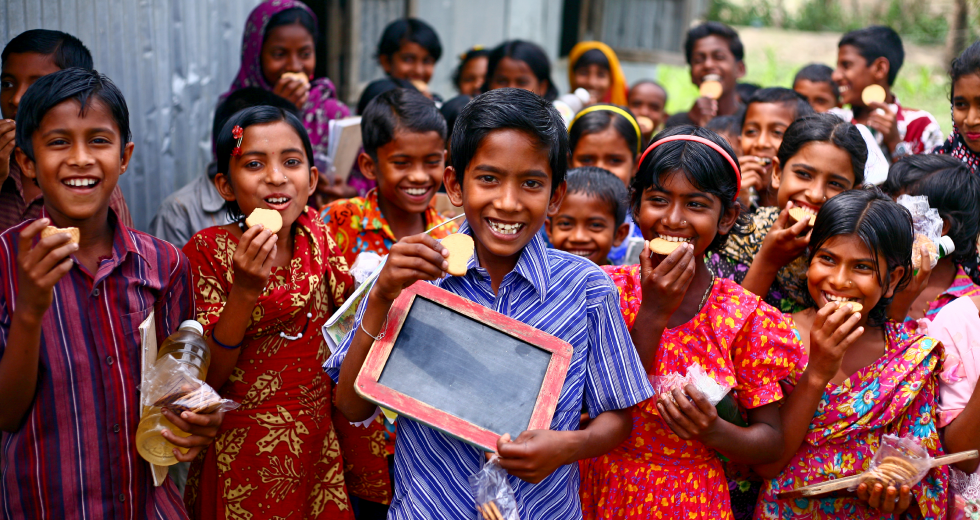
In Bangladesh, the success of school canteens selling locally produced foods in 10 schools has demonstrated the power of institutional partnerships in driving demand. Similarly, 109 food carts have empowered youth vendors to sell nutritious meals to city dwellers at affordable prices, contributing to a 20% increase in urban food security.
Looking Ahead: Phase 2 and Scaling Impact
Building on Phase 1’s success, Phase 2 will focus on scaling up and integrating nutrition-sensitive food systems into city governance structures. The Knowledge Hubs in each city will become central to policy dialogue, sharing lessons learned, and advocating for sustainable, agroecological practices.
Some key focus areas for Phase 2:
- Expand behavioral change campaigns, introducing Smart Food Tips and community-led cooking demos to expand reach through additional Smart Food Tips campaigns and community-led cooking demonstrations, building on Phase 1’s engagement of over 2,000 participants across the cities.
- Enhance local food production by supporting farmers’ hubs, establishing market linkages, and ensuring safe, traceable food supply.
- Continue supporting women and youth-led food system enterprises through grants, training, and market linkages, building on the strong engagement achieved during Phase 1
- Advocate for nutrition-sensitive policies at the city level, with a focus on integrating agroecology into urban food systems planning.
Projects in Stage 1: Converting scientific knowledge into evidence-based solutions

Projects in Stage 2: Transforming solutions into sustainable business models
Projects in Stage 3: Scaling business models to end public health challenges
Discover more
Why tackle malnutrition
Understand how malnutrition affects our collective future

Global footprint
Discover our key projects across the world
Our impact
Learn about the impact we have made on the ground so far
What we do
Discover the principles and work that shape our impact